
By Kate Quach
A gram scale sat with its stainless-steel face open on Marni Rosen’s kitchen counter. Numbers flashed, calibrating the small spoonsful of high-fat cooking oil, butter and heavy whipping cream that Rosen prepared. She eyed the ticking digits to their precise tenth decimal, remembering the strict instructions from the Epilepsy Center in a local San Francisco children’s hospital. After a debilitating series of Electrical Status Epilepticus in Sleep (ESES) seizures nine years ago, Zeke, Rosen’s then 4-year-old son, began a meticulous, medically managed ketogenic diet.
Protocol from clinical dietitians directs mealtimes. From breakfast to dinner, high fat foods packed into small dishes have nearly completely replaced carbohydrates and protein-rich ingredients. In turn, Zeke’s midnight seizures, Rosen observed, steadily declined. The progress was such that Zeke could be taken off the highly specialized diet.
“It was all consuming, but it was worth it,” said the mother. Still, dietary needs were not the only source of challenge for Zeke and his family.
When Zeke was a year old, Rosen noticed signs of developmental delays in her son. Zeke’s diagnosis of PACS1 Syndrome, a rare genetic condition, impacted the ways he verbalized his needs and directed his bodily movements. Rosen scrolled through online forums and blogs daily, hunting for a community that could relate to her son’s experiences; the syndrome’s scarcely reported nature demanded hours of research, stretching her time thin between prioritizing her full-time job and her role as a single provider.
“There was never enough time in the day. It was really hard to find more information about how to navigate a specific issue with his behavior or with his developmental needs,” she said. “There wasn’t a clear community of parents that I could reach out to. There was a separation of families on the spectrum that have autism organizations and families that have Down Syndrome organizations.” Her fingers raced across her laptop keyboard; digital chat rooms became an outstretched hand to other parents. Rosen eventually began patching together information and advice from families across the spectrum to help her son.
Zeke, now 13 years old, routinely visits the beach, laughing while dashing across the sand. Not far behind him trots his service dog, Lupin. Years of climbing Canine Companions’ waitlist led to weeks of in-person training. With Zeke as a teenager, Rosen said, his service dog provided an extra layer of support as he entered a new stage of youth.
“The raging hormones period of life is challenging for all kids, but there’s a particular kind of challenge for a kid who has more difficulties around communication and speech and experiences his body in a different way than a neurotypical child would,” she said.
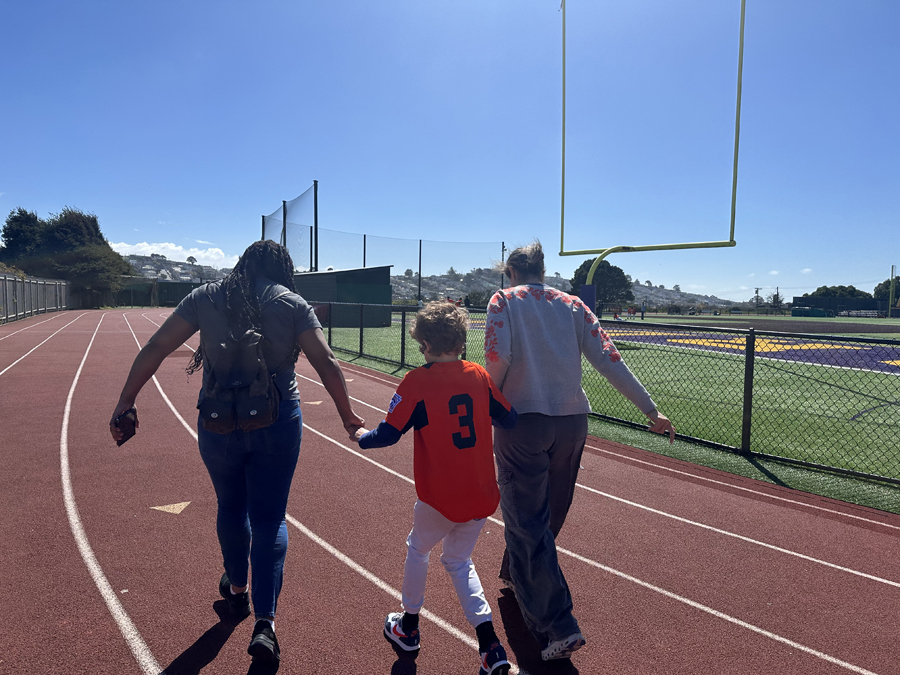
A single mother, Rosen birthed and raised twins: Zeke and Maizie, her neurotypical daughter. Teenage Zeke’s schedule busied him year-round with afternoons at the Pomeroy Center, group baseball practices in the Sunset District, speech therapy sessions, and camps from San Francisco Therapeutic Recreation Inclusion Services. Yet in his infancy, Zeke spent many of his days at the doctor’s office for routine checkups.
During one visit, Zeke and Maizie sat cradled on their mother’s lap. Rosen fidgeted in her seat, listening to the sounds of the bustling children’s hospital hallways to pass the time. The doctor informed her that he would deliver printouts containing information about her children’s health and points of improvement. When the door flung open, the doctor stepped in carrying a single sheet of paper in his hand. Rosen frowned at the lone page only detailing her daughter’s growth. Believing the doctor made a mistake, she asked for Zeke’s printout.
“You don’t want to see that,” the pediatrician told her, brushing away her request.
For a moment, Rosen’s words lodged in her throat from shock and disbelief. She thought she could trust the doctor to recognize Zeke’s disabilities as part of him rather than an embarrassment.
“I absolutely wanted my son’s printout,” she said. “I wanted to review my son and my daughter’s milestones. I wanted him to be treated with the same respect as my daughter in this environment. It was heartbreaking.”
Finding health providers that embraced Zeke’s skills and differences became Rosen’s main priority. She leaned on local pediatric neurologists and psychologists to communicate her son’s developmental progress. At the autism desensitization dental clinic, Zeke familiarized himself with the equipment and appointment procedures. Still, Rosen said, she continues to struggle with the school district for years to bring a board-certified behavior analyst (BCBA) into his classroom for direct support. A BCBA could observe Zeke during school hours, providing Rosen with necessary insights that she did not witness while she was at work. The analyst could collaborate with Zeke’s special education teacher to develop new methods of assisted learning.
Zeke and his mother often turned to their district’s special education teachers for resources, yet many children with disabilities across the nation grapple with locating such educational opportunities. According to the Office of Special Education and Rehabilitative Services with the U.S. Department of Education, “45% of schools reported vacancies in special education roles” in 2023. Difficulties hiring such educators heightened as a result of the COVID-19 pandemic, along with educators’ mental burnouts and wages. Rosen’s network of pediatricians and educators built up her family.
One evening, Rosen flipped through the pages of the twins’ favorite bedtime story. In their years of early childhood, the siblings shared a room. Maizie snuggled close, nestling beside her mother while following along with the words. Zeke, curled up in his crib with his back facing his sister and mother, already seemed to doze off. Then, while in the process of managing his ketogenic diet, the potential for an ESES episode loomed over Zeke.
Before Rosen could read out the final page, Maizie tugged at her mother’s arm.
“Mama, Zeke’s having a seizure,” said the little girl.
Rosen looked over at her son; the blanket over his shoulders rising and dipping softly matched the beats of his steady breathing. She shifted her hand to reassure her daughter, yet halfway through her sentence, Zeke began seizing in his sleep.
“She actually knew he was having a seizure before it was visible to me. That happened often when they were small,” Rosen said, still stunned as the memory replayed in her mind. “They definitely have a special connection. I think that connection remains for them now, too.”
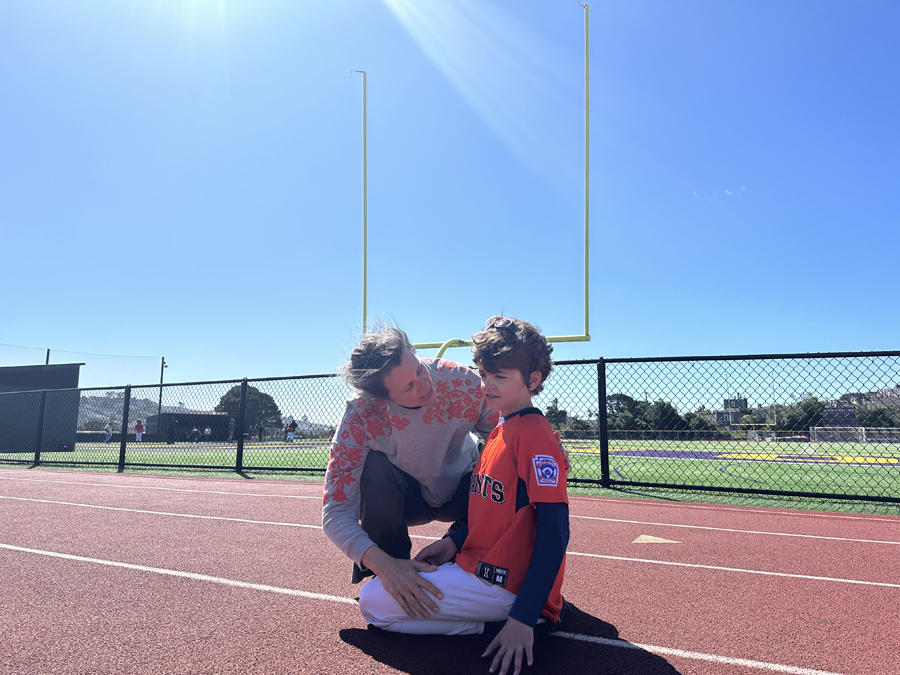
On the baseball field, Rosen kneels beside Zeke, bringing him into her arms. Navigating medical and educational spaces for her son meant continual pursuits of new information about PACS1 syndrome. She has shelved away the meal scale and calculator, but her sensitivity toward Zeke’s needs have strengthened. Rosen’s push for accepting health care providers and school systems motivated a fierce affirmation within her:
“Don’t take no for an answer. Be like water; find another path.”
Categories: Health


 Richmond Review/Sunset Beacon