
By Vanessa VerLee
In the heart of the Sunset District, a unique experiment in community education is entering its next chapter. On a recent crisp January afternoon, eight alumni of “Problem Library” gathered to help chart a more sustainable future for this unconventional nonprofit that has been challenging traditional notions of learning since 2016.
Founded by Grayson Stebbins with the belief that “problems” could be viewed as portals of possibility, Problem Library, at 1288 15th Ave., has evolved into both a community creative workspace and cultural incubator. Its mission statement leads with an ambitious goal: “Supporting a renaissance toward beauty, goodness, and truth in education, art and cultural infrastructure.”
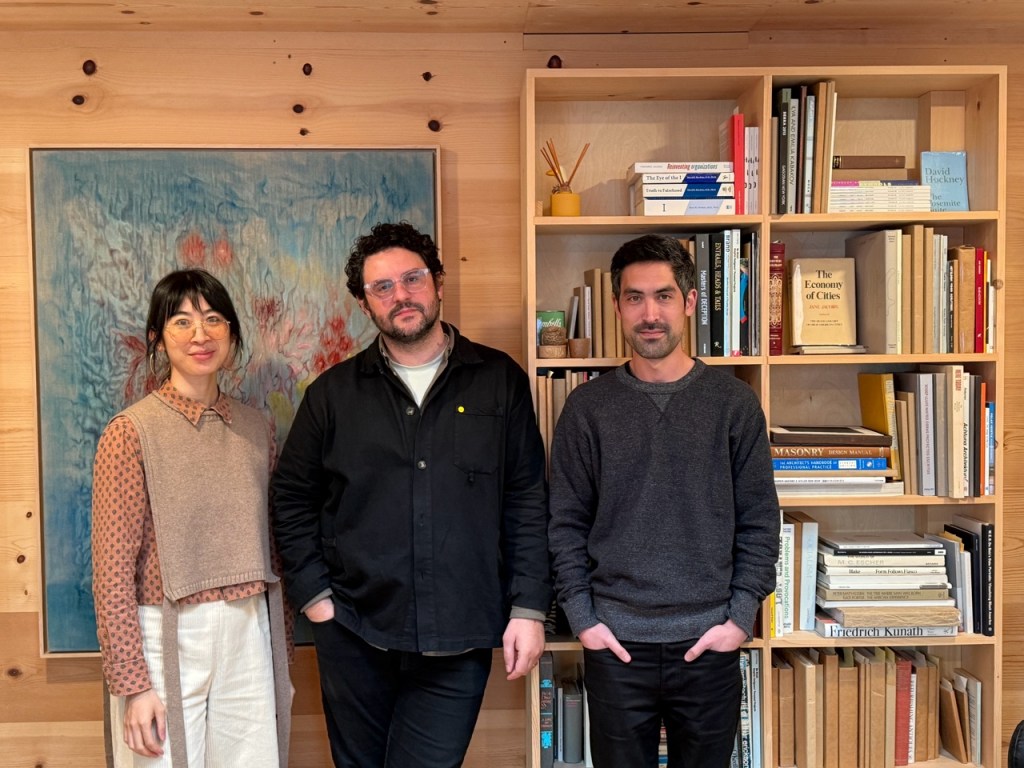
“We saw a real need for spaces where young creatives could experiment and grow without the pressure of grades or rigid expectations,” explained Sunset resident and library volunteer Daniel Lucas.
This philosophy has manifested in various innovative programs over the years, most notably their “Problem Children” summer mentorship program which paired local high school and early college students with experienced adult mentors, in order to step in where the limits of creative support from school fell off. With an older ally to support and encourage their creative ideas, there was space for them to flourish and expand in ways that traditional educational settings can rarely foster in sustainable ways.
Problem Library’s biannual “Too Much Information” conference invites local artists to create installations exploring themes like ritual and personal storytelling. The minimalist decor of the space includes a giant weaving made of twill tape. A similar piece was first done as a group project during last fall’s conference and then redone and offered to the library by Bay Area artist Elizabeth Meiklejohn. The space is also decorated with many bookshelves where a large number of the books are covered in kraft paper, something done in the early days of the library to encourage students to choose books to engage with, before knowing the book’s subject.
In 2018, Problem Library launched an initiative still going now, that became even more timely during the pandemic. This residency program matches San Francisco landlords who have vacant commercial properties with artists seeking studio and gallery space, activating empty storefronts throughout the City. These short-term leases, often lasting just a few months, transform dormant buildings into vibrant pop-up art spaces and cultural hubs. This experimental approach to space activation reflects their broader philosophy – start small, take risks and build community through action.
“The world wasn’t created by people who were necessarily smarter or more talented. It was built by those who decided to try and do things,” Lucas said.
Problem Library’s philosophy embraces what Ira Glass calls “the gap” – the space between what someone knows is good and what they are currently capable of creating. Its programs emphasize that this gap can only be bridged through practice, patience and a willingness to try. In an age dominated by digital spaces, Problem Library particularly values in-person connections, providing a physical space where relationships can form organically through structured mentorship or spontaneous conversations over shared projects.
Financial sustainability has been a persistent challenge. Operating entirely with unpaid staff and relying on small donations and grassroots fundraising, it has managed to survive but struggles to achieve long-term stability. The recent gathering of former Problem Children focused on discussing a transition toward a more structured educational model, with the hope that a year-round program could create a more stable financial foundation.
The alumni shared insights about their experiences while grappling with changes, including mixed feelings about sunsetting their beloved Problem Children name. New funding models – including memberships, sponsorships, and strategic partnerships – are being explored to move beyond donation-based operations and potentially bring on paid staff.
A longtime volunteer, Tamara Chu, shared her vision to make the space’s aesthetic even warmer and more inviting for community gatherings. This attention to physical space reflects a core belief that community is not just about receiving; it is about contributing, showing up and being open to learning from others.
As Problem Library enters its next phase, the team remains committed to preserving what has made it special: A place for exploration, mentorship and community growth.
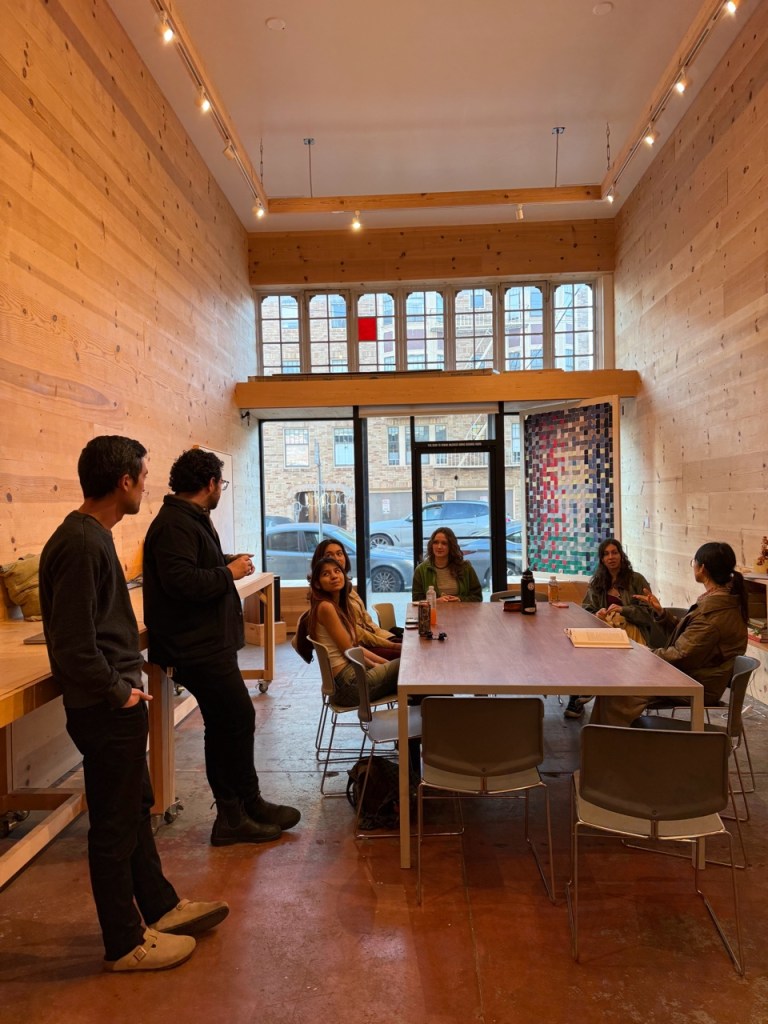
“Success isn’t about overnight breakthroughs,” Lucas said. “It’s about years of effort, experimentation and showing up for your community.”
Problem Library is ready to expand and invites community members to contribute through financial donations, mentorship or programming ideas as it works to provide a long-term home for young creatives who need a space to grow.
Local creatives, ages 15–20, are invited to apply for Problem Library’s spring program. The program offers a chance to develop creative skills, connect with a community of peers and mentors, and explore new ways of understanding themselves, their creative work and the world around them.
Learn more at problemlibrary.org.
Categories: Library


 Richmond Review/Sunset Beacon