
By Judy Goddess and Robin Evans
Every week, Jane Field, a volunteer with the Long-Term Care Ombudsman Program (LTCOP), drives from her home in the Richmond District to visit residents in Victorian Manor, an assisted living facility on McAllister Street between Scott and Pine streets. As one of 23 trained and licensed volunteers with the program, this is Field’s eighth year as an “ombudsperson.”
The Long-term Care Ombudsman Program educates residents of long-term care facilities on their rights and how to exercise them.
“We are the eyes and ears of the residents and their families in an institutional setting where there is an inherent imbalance between the provider of services and the consumer,” said Benson Nadell, the coordinator of San Francisco’s LTCOP.
Founded in 1972 as part of the Older Americans Act, Ombudsman programs exist in every state. California alone has 35 programs, some county-wide and some covering multiple counties. For many, weekly visits, such as Field’s to Victorian Manor, build familiarity and trust, and encourage residents to speak out when problems arise.
“Sometimes the resident may share a problem but not want to follow up,” Field said. “They’re afraid of being seen as a troublemaker. While I may think we should follow up, they don’t, so we don’t. We must have their consent to act.”
Victorian Manor is a well-run facility, Field explained. Ana Pacheco, the senior care administrator there, moves quickly on complaints.
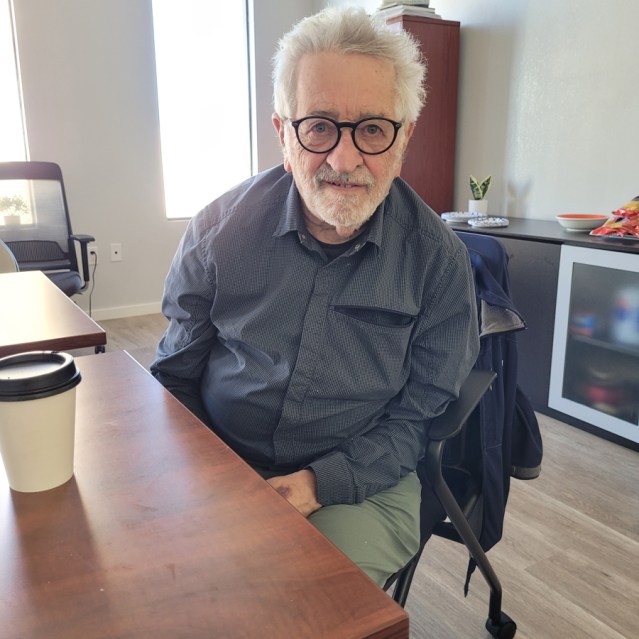
“She begins investigating before I’ve even completed the extensive notes we must make on every visit,” Field said.
The situation is not always so supportive across different facilities. Ombudsmen field complaints about unanswered call buttons, inadequate or unappetizing food, insufficient or poorly trained staff, discharge or evictions, poor treatment and even abuse. The growth and frequent turnover of privately owned senior facilities through REITs (real estate investment trust firms) and private equity funds makes tracing ownership, and thus responsibility, more difficult.
One particularly prevalent issue is “point pricing,” the practice of charging residents for every additional service or “nickel and diming them,” as residents refer to it. Point pricing – wheeling a resident to the dining room, more frequent showering and other supportive services – can add hundreds of dollars to a resident’s monthly fee and is “one of the biggest complaints fielded by the Ombudsman’s Office,” Nadell said.
But while the office can help address some problems, the cost of housing and the lack of facilities to house a rapidly increasing senior population is beyond their job description.
Although most seniors prefer to age at home, the possibility of residential care becomes attractive when the need for support exceeds what can be provided by family, friends and in-home support services. By 2030, the number of San Franciscans aged 65 and older will represent 25% of the City’s residents, up from the current 17%. This means more pressure on services to the elderly, including in-home care, senior housing and assisted living facilities.
Even if a San Franciscan has never visited an assisted living facility, they have probably seen ads for them, portraying spacious accommodations, gourmet meals, an extensive program of classes and wellness opportunities. However, such facilities are costly, and vacancies are hard to come by.
Medicare, which covers medical care for seniors, does not pay for assisted living as these facilities neither offer, nor are licensed, to provide medical care. At an average fee of $7,800 a month, they cost far beyond the means of many San Francisco families where the median family income is $140,000.
Further, San Francisco does not have the facilities needed to house the number of seniors looking for these accommodations. The Bay Area has the second highest occupancy rate in the nation, 90.9% – just behind the Boston area. Many facilities maintain waiting lists. The waiting list at the San Francisco Towers, for example, is three to five years.
Many see board and care homes – often a family-owned remodeled home with 12 or fewer residents, like Damenik’s on 30th Avenue in the Richmond – as a quicker and cost-effective fix for the growing demand. While they do not have luxury amenities or scads of activities, they do offer the familiarity and intimacy of a home environment. And they charge much less.
“Back in the 1990s, there were 130 assisted living facilities in the City, with Board and Cares in the majority,” said John Edmiston, director of volunteer services at San Francisco’s LTCOP. “Today there are around 24, with a total of 300 beds. Their demise is a simple real estate story. Some were nice, some were crummy and went out of business, but when the price of homes escalated, people just sold their property and moved out.”
Given that these facilities are too few and too costly, many who volunteer with Ombudsman find their work even more important.
“We need more volunteers to get the word out and to protect residents,” Nadell said.
Field added, “I volunteer to do something good in the world. I think all of us do.”
Ombudsman training is free and all skill levels are welcome. Applicants should call 415-751-9788 or visit sfhsa.org/services/disability-aging/legal-assistance/safety-care-facilities.
This article is condensed from a series on moving into assisted living by Judy Goddess and Robin Evans initially published on Feb. 22 in San Francisco Senior Beat and is reprinted here with permission. Read the series at sfseniorBeat.com/as-the-citys-older-population-grows-seniors-who-can-no-longer-live-at-home-will-have-limited-choices.

Categories: Community


 Richmond Review/Sunset Beacon