In the Persian language, Kofta means pounded meat. Somehow, in the culinary world, “kofta” became a word for a dish that is made with spiced minced meat rolled into small balls and then fried.
My personal preference for jam-drop cookies is twofold. We can use the abundance of winter berries to make the jam for the cookies. And the cookies make beautiful edible gifts.
My latest favorite is Tzatziki, a Greek sauce made with cucumber, yogurt and fresh herbs. It works well as a sandwich base – a welcome change to mayonnaise – and it makes great dip for chips, crackers, bread sticks and vegetables.
Freekeh (pronounced free-kah), has been a staple grain in the Middle Eastern diet for centuries, and it is now gaining popularity in the United States.
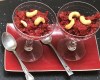
The term “halwa” originates from Arabic, meaning “sweet confection.” It can be made from grains, dried fruits, or vegetables, with varying textures. Beet halwa, rich in antioxidants and nutrients, offers health benefits. The recipe involves melting butter, cooking beets in milk, adding sugar and cardamom, and finally serving the halwa. It’s a delightful, nutritious dessert.
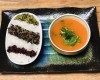
In addition to having a great history as an old staple, wild rice has many health benefits. Wild rice is 100% gluten-free, so it is suitable for a gluten-free diet. Wild rice contains more protein and fewer calories than most whole grains.
I would take my 4-year-old son to the park near the Japanese Tea Garden almost every afternoon to play. After a couple of hours of play time, we would sit down by the tea house and have green tea with almond cookies.
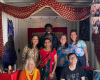
Diwali, the Hindu festival of lights, is currently celebrated all over the world by over a billion people. San Franciscans take pride in honoring diversity; this includes celebrating Diwali! On Sunday Nov. 12, 2023, the Outer Sunset Farmers Marker & Mercantile was buzzing with activities including crafts, a cultural exhibit, a sari show, Indian themed dances and a cooking demonstration with food sampling to share this beautiful holiday with the community! This was the first outdoor celebration of Diwali in the Outer Sunset of San Francisco. And, the OSFMM plans to repeat Diwali and other cultural celebrations in the future.
One simple sweet my mother made on Diwali morning has left me with deep and fond memories. It is called Sheera – also known as simple Halwa in some parts of India. Sheera is often served as prasadam (gods leftovers) to the attendees of Hindu temples after a worship ceremony.
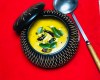
Kadhi is a North Indian soup that is prepared with a variety of methods, with one common denominator; it is always made with yogurt and besan (garbanzo or chick-pea flour).
I have not bought jams from a grocery store ever since I moved to California, some 50+ years ago. And I have raised three children, frequently making them PB&J sandwiches for lunch. Now that the kids are grown, I still enjoy making jams, sometimes for myself or to give them away to friends.
The summer season in San Francisco’s Sunset and Richmond districts is hardly noticeable as we don’t have hot sunny, summer months. But this should not prevent us from doing summer things, such as planning a picnic or a cookout.
Besides being sweet and flavorful, corn is also a healthy food. Corn is rich in vitamin C, an antioxidant that helps protect your cells from damage and prevent cancer and heart disease. Yellow corn is a good source of the carotenoid, lutein and zeaxanthin, which help in maintaining healthy vision.
Zucchini is available all year in most parts of the United States. It is an easy vegetable to grow in the summer, even in the foggy parts of the San Francisco Bay Area. Once these summer squashes get growing, you will have so many that you will have to find new recipes. Good recipes can turn this vegetable into a centerpiece.
Some South Indians believe that “curry” came from the Tamil word “Kari” (meaning a sauce), but then the North Indians would argue that “curry” is derived from the word “Kadhi” (meaning yogurt soup).